

Causes, symptoms and effective treatment
Dry eyes
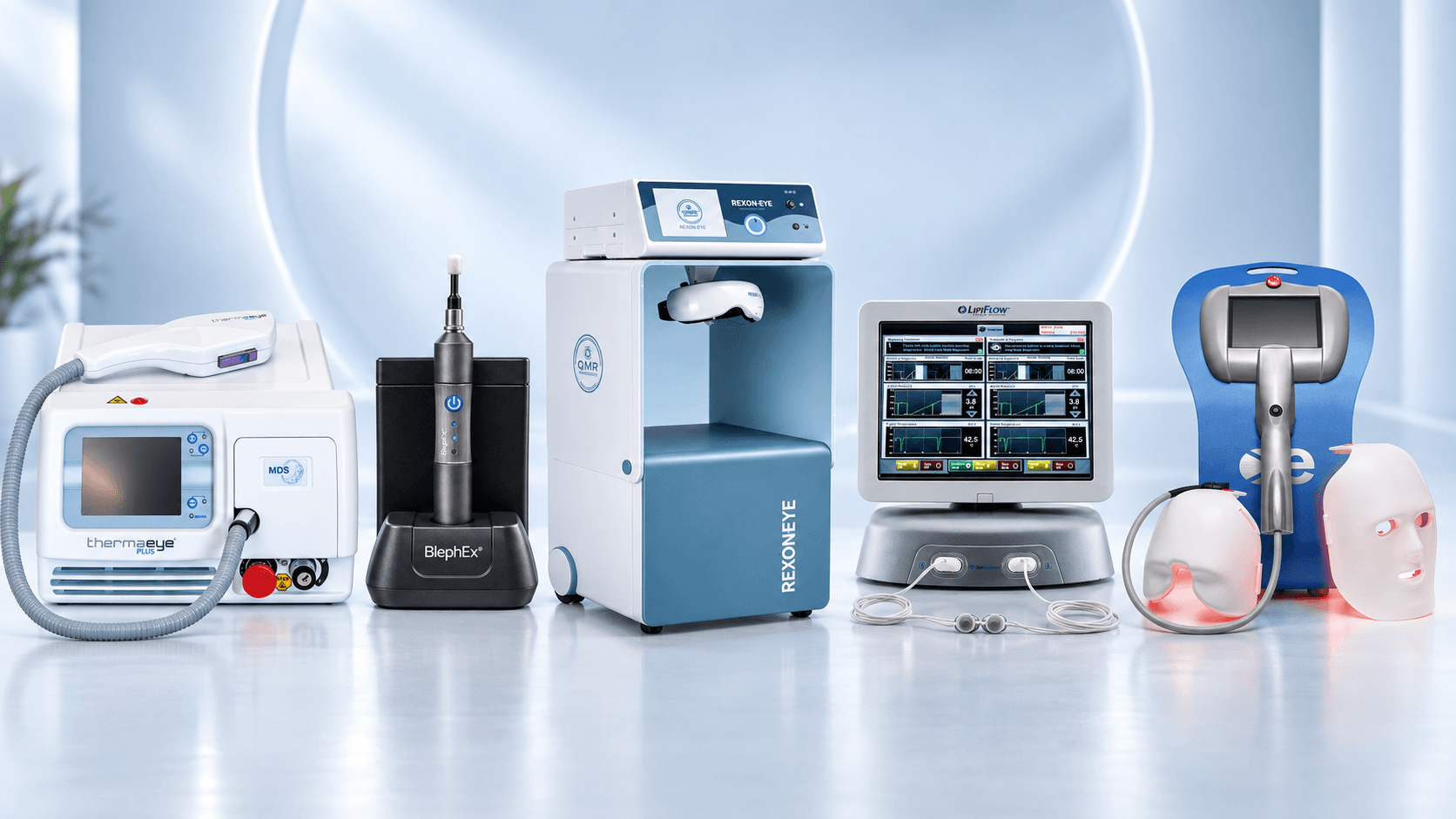
Dry eye is a common problem that can affect both visual comfort and quality of life. Many people experience stinging, a gritty sensation, redness or tired eyes – particularly during screen work or in dry environments. We offer professional assessment and treatment of dry eye in Malmö, tailored to your needs. X-Vision is one of few eye clinics in Sweden to offer the full range of modern dry eye treatments – from IPL and low-level light therapy (LLLT) to LipiFlow, MGX and QMR treatment with REXON-Eye. Welcome to our state-of-the-art clinic in Malmö for the treatment of dry eye.
The latest equipment for diagnosis and treatment
Over 30 years of experience
High patient satisfaction
What is dry eye?
Dry eye – also known as dry eye syndrome – occurs when the eyes do not produce enough tear fluid, or when the quality of the tear film is impaired. The tear film is essential both for protecting the surface of the eye and for clear, stable vision.
There are two main types:
Aqueous deficiency – the eye produces too few tears
Evaporative dry eye – the tears evaporate too quickly, often because of problems with the meibomian glands
Many patients have a combination of both.

Understanding dry eye disease – a briefing
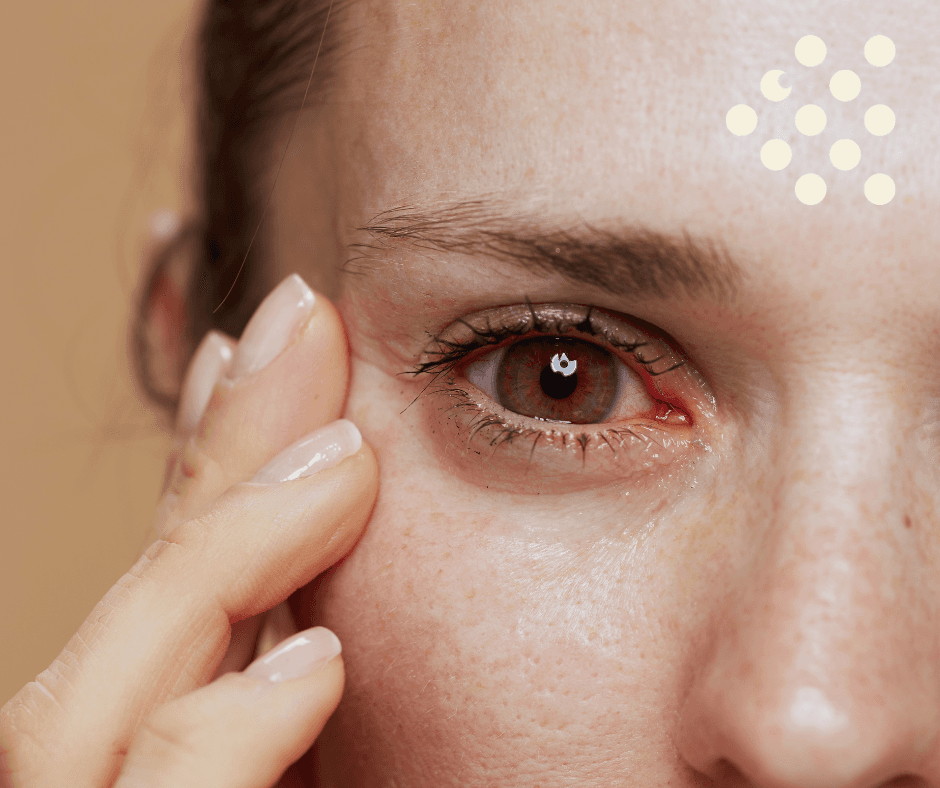
Symptoms of dry eye
Common symptoms of dry eye
Dryness, stinging or a burning sensation
A gritty or foreign-body sensation
Red and irritated eyes
Tired eyes, particularly during screen work
Blurred or fluctuating vision
Increased sensitivity to light
Watering eyes – a paradoxical symptom
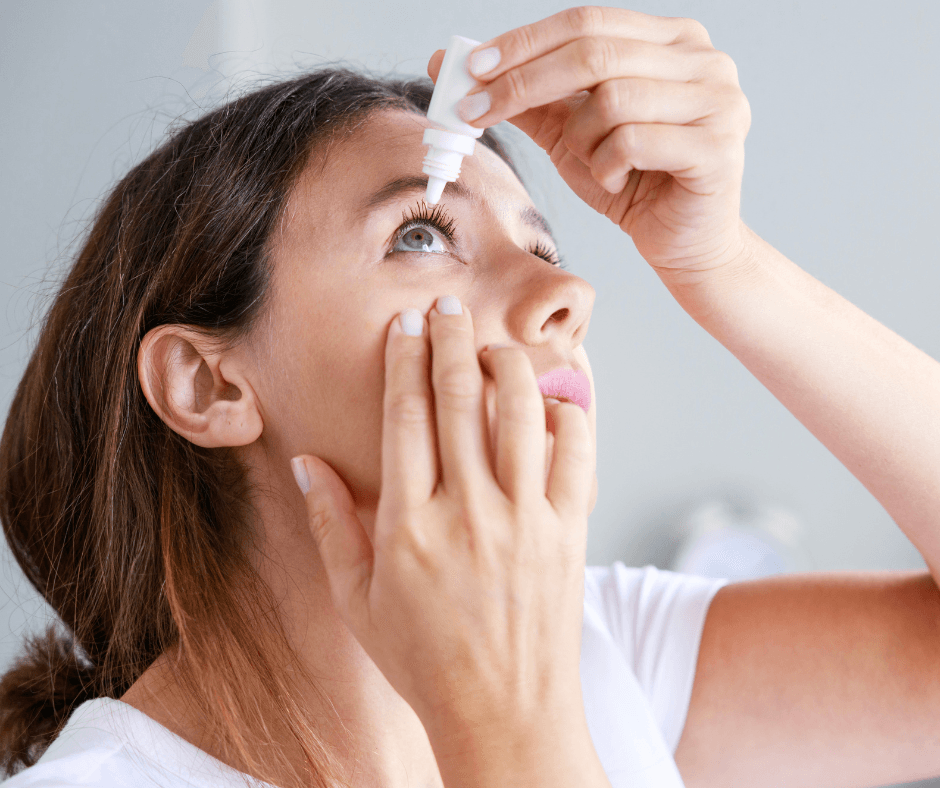
Why does dry eye develop?
Dry eye can have a number of causes, including:
A great deal of screen time and reduced blinking
Dry indoor air or air conditioning
Age and hormonal changes
Contact lens wear
Certain medications
Inflammation of the eyelid margins
Meibomian gland dysfunction (MGD)
Around 10–20 % have dry eye
How common is dry eye?
Dry eye is a common condition affecting a large part of the population. In Sweden, an estimated 10–20 % of people have dry eye to some degree. Symptoms range from a mild sensation of dryness to more pronounced complaints that affect both visual comfort and everyday life. It is particularly common in people over 40 and in those who spend a great deal of time in front of a screen.

Contact us – we'll help you find the right treatment
Which treatment suits your eyes? Tell us briefly what you would like help with and we will get in touch. Our experienced specialists answer your questions and guide you to the treatment or examination that fits your needs.

X-Vision Ögonklinik
Hyllie Stationstorg 2
215 32 Malmö
Dry eye diagnostics
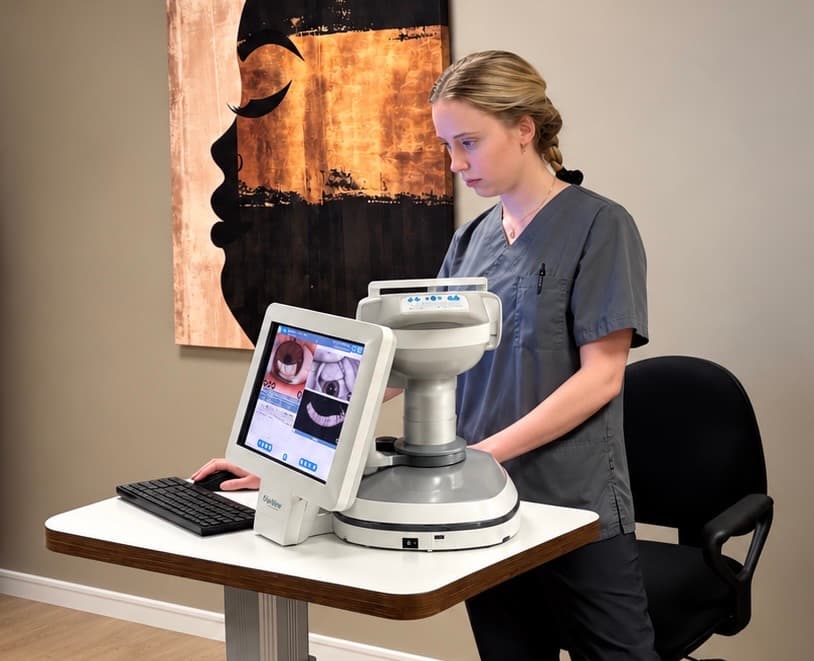
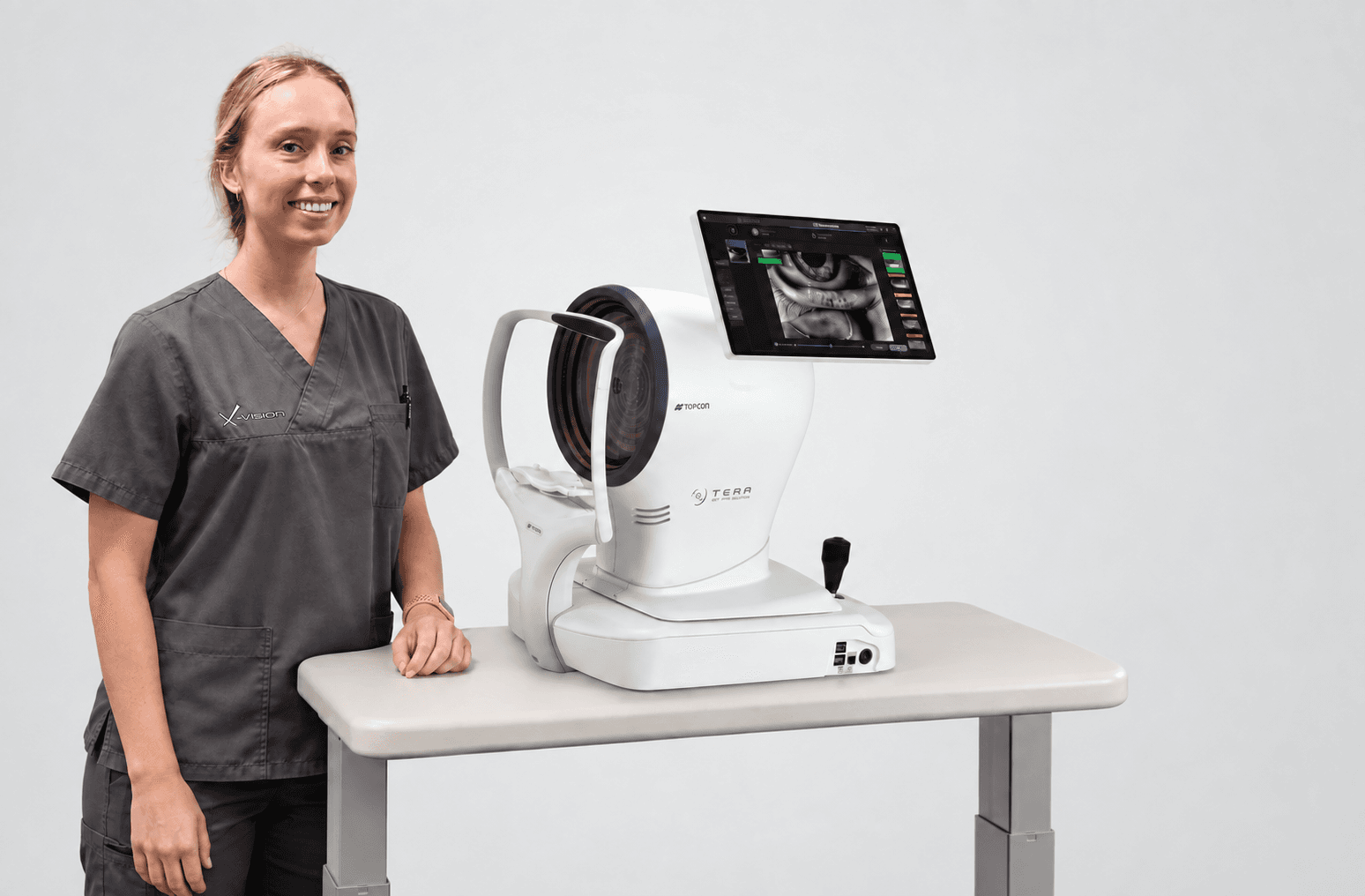
To understand what is causing your dry eye, we can examine the stability and volume of the tear film, the glands in the eyelids and signs of inflammation. The findings are assessed together with your symptoms and the eye examination.
NIBUT (non-invasive tear break-up time): measures how long the tear film stays stable after a blink, without dye.
Tear meniscus height: estimates the volume of tear fluid.
Lipid layer thickness: measured by interferometry and reported in nanometres, showing how the outer oily layer of the tear film is distributed.
Blink dynamics: analyses the blink pattern and detects incomplete blinks.
Meibography: images the meibomian glands in the eyelids using near-infrared light, so their structure can be assessed and signs of gland loss identified.
Staining and ocular imaging: fluorescein and lissamine green help assess the ocular surface and the tear film. Images can also document redness and changes at the eyelid margin.
Symptom questionnaires: OSDI-6 and DEQ-5 record how the symptoms affect you.
Additional tests
Tear osmolarity: measures the concentration of dissolved substances in the tears. A raised value, or a difference between the eyes, can support a disturbed tear film balance.
Schirmer's test: a paper strip is placed in the lower eyelid for five minutes. How far the strip wets gives an estimate of tear production; a low value can indicate low aqueous tear production.
MMP-9: a tear sample is analysed for MMP-9, a marker associated with inflammation of the ocular surface. A raised result can contribute to the assessment, but it is not specific to dry eye and is interpreted together with the other findings.
Each test gives part of the picture, and no single measurement establishes the diagnosis on its own.
How is dry eye treated?
Treatment of dry eye always begins with a thorough examination to establish the cause of your symptoms. Based on the findings, we draw up an individual treatment plan.
Examples of treatment methods:
Advice on eye habits and lifestyle
Lubricating and stabilising eye drops
Light-based treatment with IPL and low-level light therapy (LLLT)
Warming and expression of the meibomian glands
Cleaning of the eyelid margins
QMR treatment for pronounced or treatment-resistant symptoms
Follow-up and adjustment of treatment
Punctal plugs that slow tear drainage
The aim is to reduce symptoms, improve the quality of the tear film and provide lasting relief.
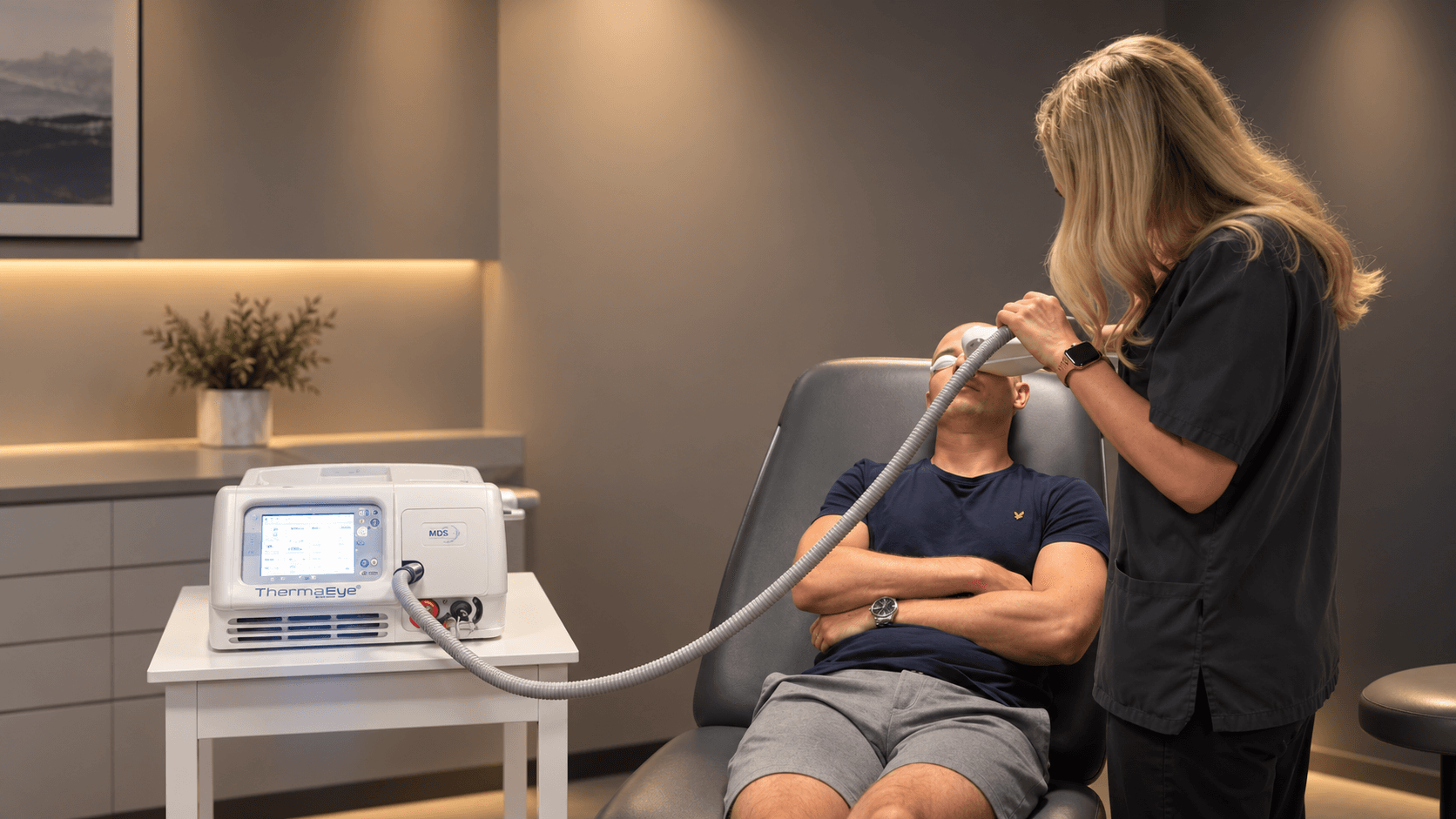
ThermaEye Plus IPL
IPL (Intense Pulsed Light) is a well-established treatment directed at inflammation and imbalance in the eyelid margin – particularly in meibomian gland dysfunction (MGD), and often in rosacea as well.
What can you expect?
Less redness and irritation around the eyelid margin
Better gland function and a more stable tear film
Greater comfort at the screen, and in wind, cold and contact lenses
IPL is given as a series of treatments, and many people notice gradual improvement between visits.
Suitable for you if: you have dry eyes with redness or inflammation of the eyelid margin, and/or suspected MGD.
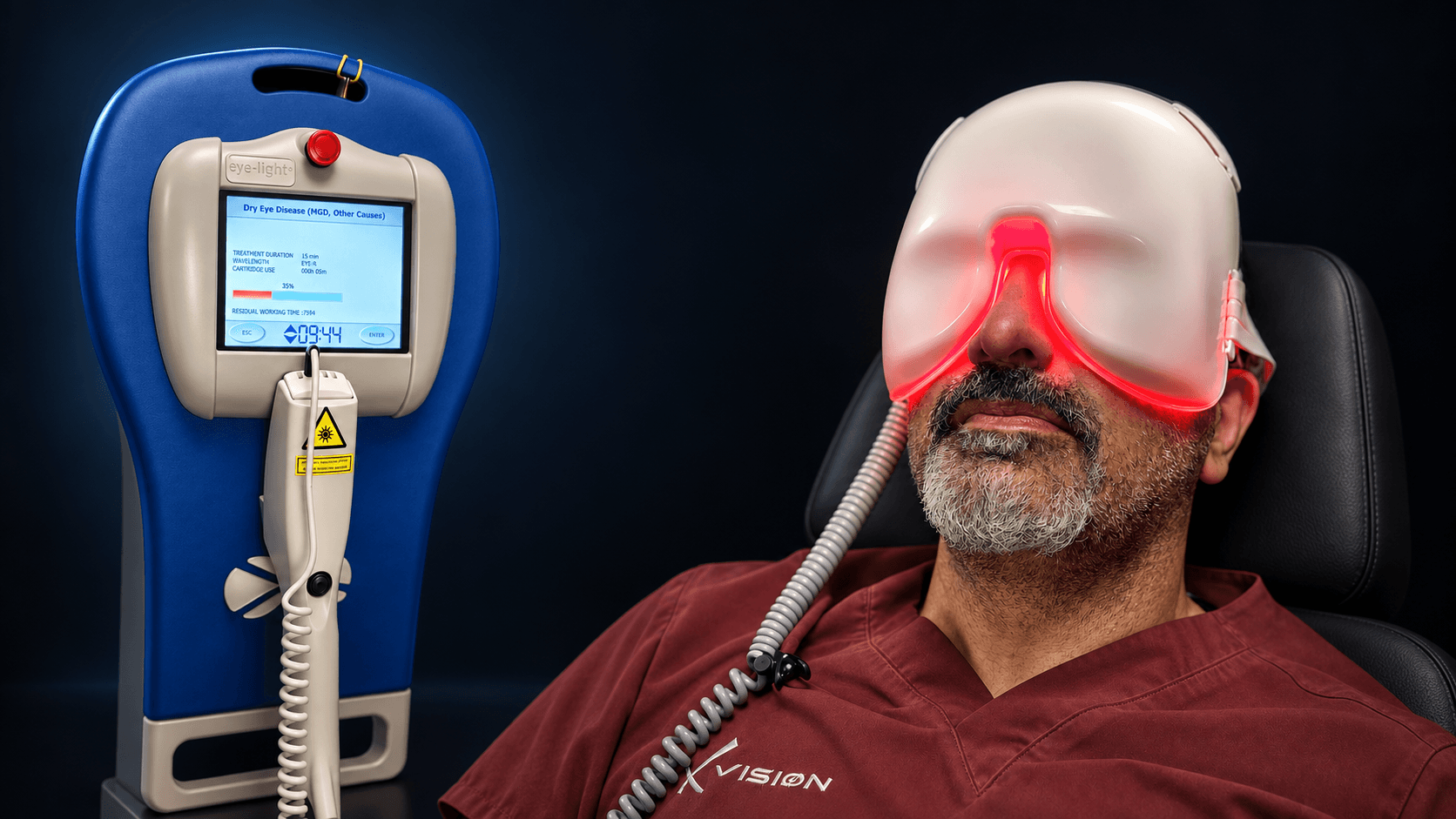
Eye-Light – IPL and low-level light therapy in one treatment or separately
Eye-Light combines two light-based technologies that can be given in the same visit or separately, depending on what the examination shows. When both are given together, the area around the eyes is first treated with OPE/IPL – a polychromatic light whose thermal pulses stimulate the meibomian glands to resume normal activity. Light Modulation LLLT then follows: a painless photobiomodulation in which a mask gently warms the eyelids and helps the glands release the oily layer of the tear film.
Benefits
Two mechanisms of action – combined in one visit or used separately
The treatment takes around 15 minutes
Typically 1–4 sessions at intervals of 5–10 days, depending on severity
Targets MGD, which underlies the majority of evaporative dry eye
Suitable for you if: you have evaporative dry eye caused by MGD and would like a gentle treatment with a short appointment time.
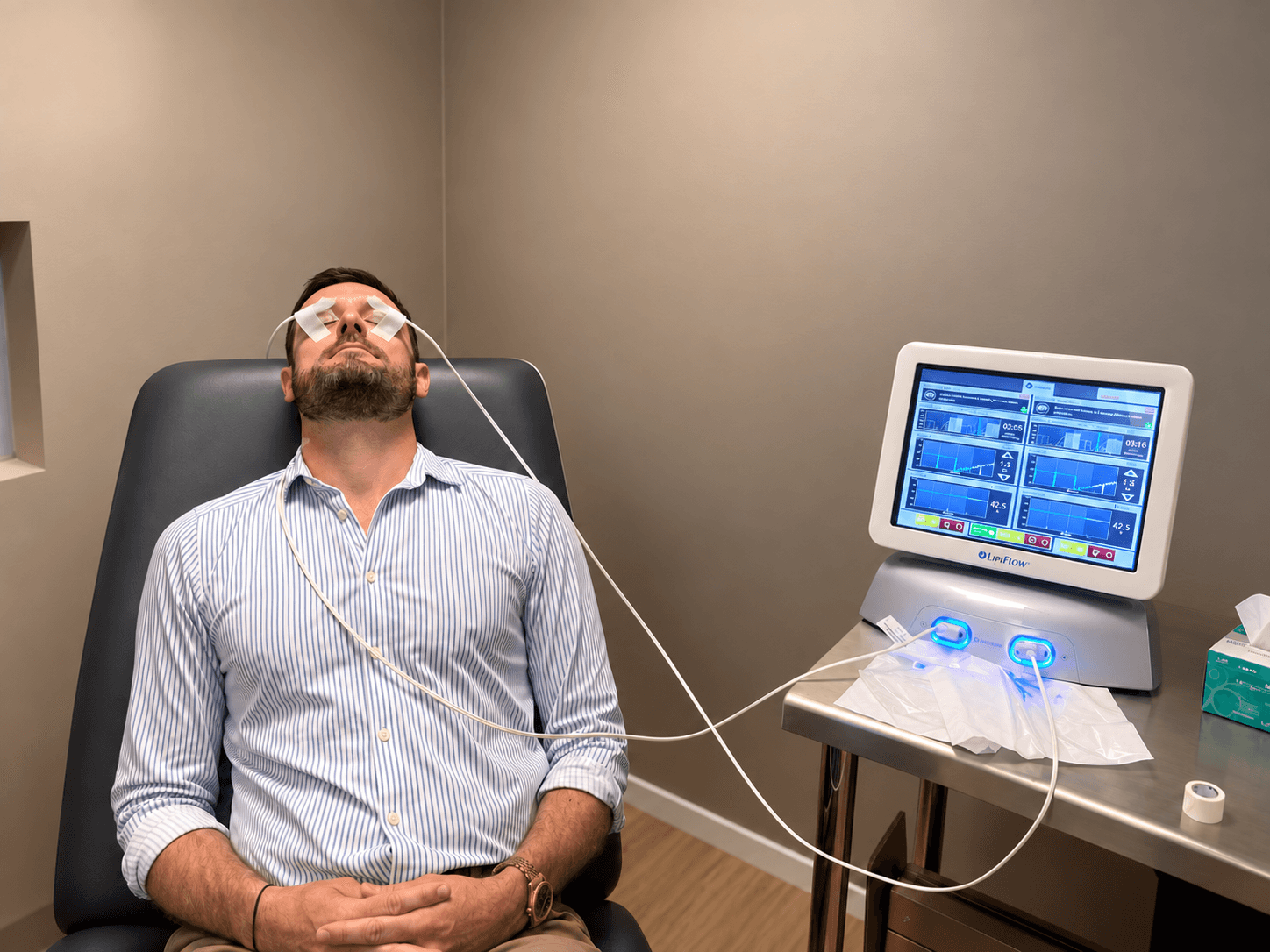
LipiFlow – heat and gentle pulsation
LipiFlow is an advanced treatment that combines controlled heat with gentle pulsation to soften and clear blocked meibomian glands.
Benefits
Addresses the underlying problem in MGD directly
Helps the glands recover when self-care is not enough
Can give lasting improvement in the quality of the tear film
Suitable for you if: you have clear signs of blocked and underactive glands, and persistent dry eye despite drops and a daily routine.
See how a LipiFlow treatment works
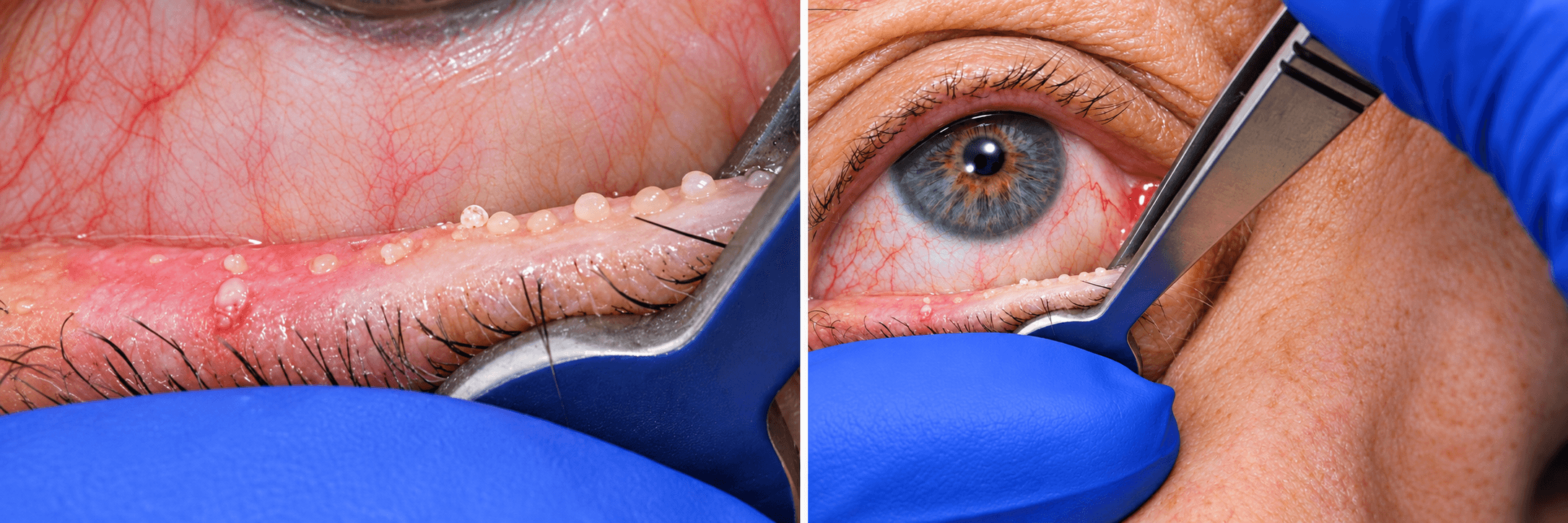
MGX – manual meibomian gland expression
MGX – meibomian gland expression – means clearing the meibomian glands, under controlled conditions, of the thickened secretion blocking them. It is usually carried out alongside a heat or light treatment, once the glands have been softened; this is the combination in which the effect is best documented.
Why we perform MGX
Clears glands blocked by thickened secretion
Strengthens the effect of IPL and heat treatment
Gives us a direct assessment of how well the glands are functioning
Suitable for you if: the examination shows signs of blocked glands and you are being treated for MGD.
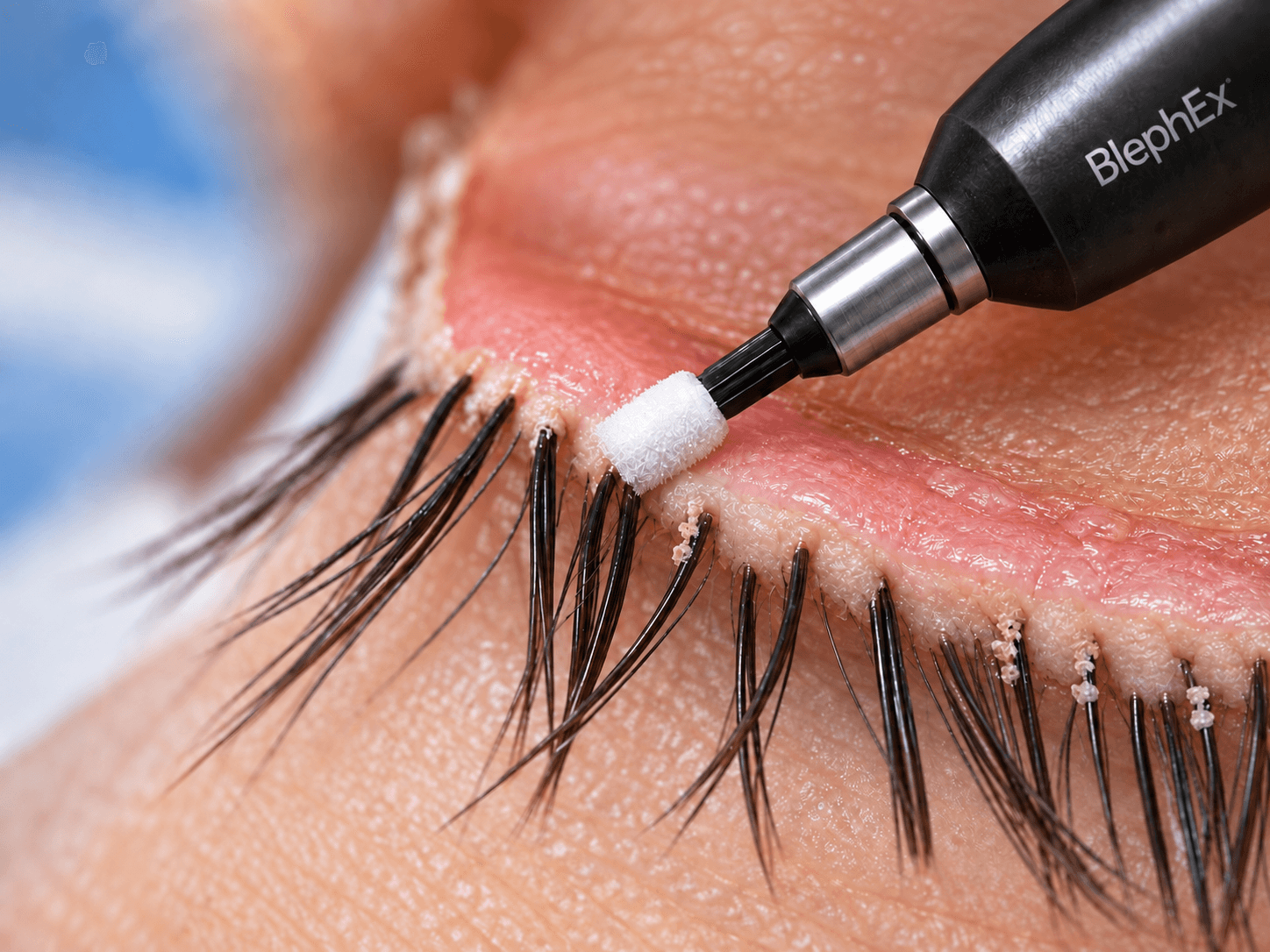
BlephEx – professional cleaning of the eyelid margin
In dry eye and blepharitis there is often a coating along the roots of the lashes – a biofilm – that drives inflammation. BlephEx is an in-clinic treatment in which we clean and exfoliate the eyelid margins to reduce irritation and create better conditions for healing.
Well suited to you if you have
Sticky lashes in the morning
Grittiness, stinging and recurring irritation
Blepharitis
Symptoms that return quickly despite cleaning at home
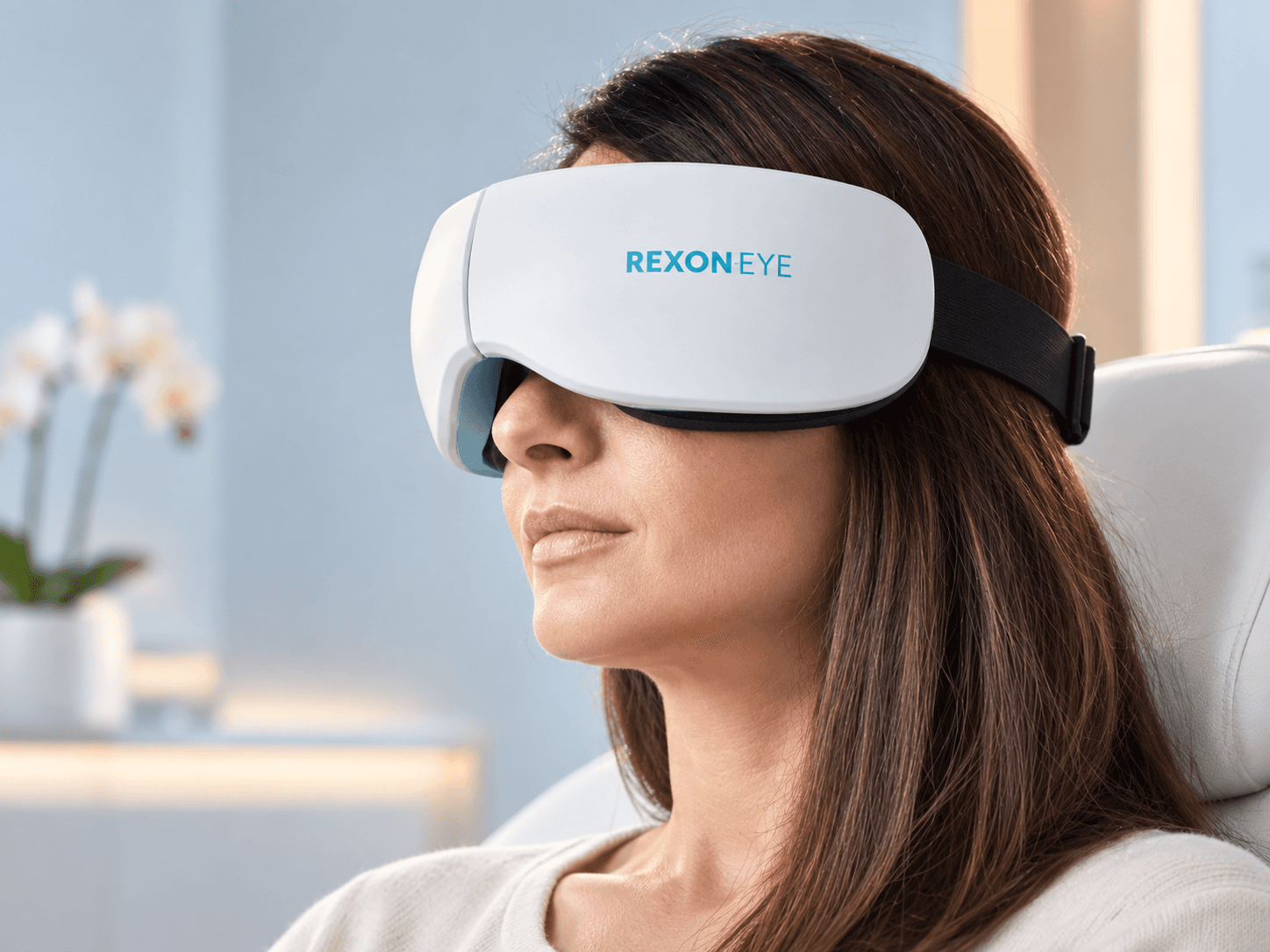
REXON-Eye – QMR treatment for pronounced dry eye
REXON-Eye is based on QMR (Quantum Molecular Resonance) – a biophysical stimulation using low-intensity, frequency-modulated electrical signals. The treatment addresses tear film stability, inflammation of the ocular surface and the neurosensory component of dry eye. It is particularly relevant where symptoms are pronounced or keep returning despite other treatment.
What the treatment involves
Each session takes around 20 minutes
Standard protocol for mild to moderate symptoms: four sessions at weekly intervals
Intensive protocol for severe or recurrent symptoms: six sessions, the last two given at two-week intervals
The treatment works best as part of an overall plan including lid hygiene, tear supplements and scheduled follow-up
Suitable for you if: you have moderate to pronounced dry eye – aqueous-deficient or mixed – and need more than gland treatment alone.
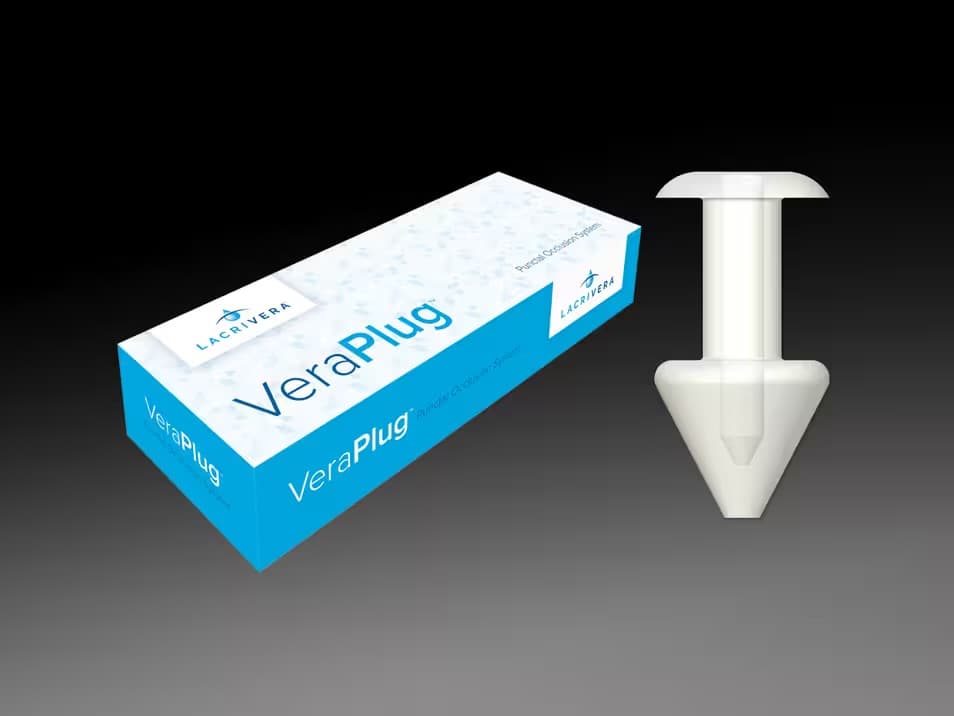
Punctal plugs – VeraPlug
Punctal plugs are tiny devices placed at the opening of a tear drainage channel in the eyelid. They slow the drainage of tears, helping the eyes stay naturally lubricated for longer. Your eye clinician may recommend them as part of a dry eye treatment plan after assessing your symptoms and the health of your eyes.
What happens during insertion?
The clinician checks the tear drainage opening and selects a suitable plug size. The plug is then gently placed into the opening, usually during a short clinic visit. Most people tolerate the procedure well. Follow any individual aftercare advice from your clinician.
VeraPlug is a non-absorbable plug, but that does not mean it must stay in place permanently. A clinician can assess, adjust or remove it if needed.
What are the possible benefits?
By slowing tear drainage, a plug may help reduce dryness and improve comfort. The effect varies from person to person, and you may still need lubricating drops or other dry eye treatments.
Possible side effects
Your eyes may feel watery, irritated or scratchy. A plug can move or come out. Less commonly, irritation or infection can affect the tear drainage area.
Contact the clinic if you have persistent watering, increasing redness or pain, discharge, or swelling near the inner corner of your eye. Don’t try to push or remove a plug yourself.
What a visit involves
A thorough dry eye assessment – we examine the tear film, the eyelid margin and gland function
A personal treatment plan – you receive a clear recommendation and an expected timeline for treatment
Treatment at our clinic – for the best effect
Follow-up – we make sure you are getting a satisfactory result, and adjust where needed
Seeking help for dry eye
When should you seek help?
If you have recurring or long-standing dry eye symptoms, it is worth booking an examination. Early treatment can prevent inflammation and improve both comfort and quality of vision.
Why choose X-Vision for dry eye treatment?
The full range of modern treatments – IPL, LLLT, LipiFlow, MGX, BlephEx, QMR and punctal plugs
Individually tailored treatment
Modern equipment and evidence-based methods
Experienced staff focused on eye health
Centrally located in Hyllie, Malmö, at our Center of Excellence
Contact us at info@xvisionkliniken.se to book a consultation and receive an individual assessment of your symptoms.
Contact us – we'll help you find the right treatment
Which treatment suits your eyes? Tell us briefly what you would like help with and we will get in touch. Our experienced specialists answer your questions and guide you to the treatment or examination that fits your needs.
X-Vision Ögonklinik
Hyllie Stationstorg 2
215 32 Malmö

What is dry eye – and what causes it?
Dry eye occurs when the tear film does not work as it should. This may be because the eyes produce too little tear fluid, or because the tears evaporate too quickly. One common cause is that the meibomian glands in the eyelids, which produce the protective oily layer of the tear film, are not functioning properly.
Symptoms can be influenced by age, a great deal of screen time, contact lenses, hormonal changes, certain medications and inflammation of the eyelids.
Which symptoms are common in dry eye?
Common symptoms include stinging, a gritty sensation, tired or red eyes, itching, light sensitivity and vision that becomes intermittently blurred. The eyes may also feel irritated or strained, particularly after a lot of screen time.
Dry eye can also make the eyes water. This happens because the eye is trying to compensate for an unstable or insufficient tear film.
How does dry eye treatment differ from ordinary eye drops?
Lubricating eye drops can relieve symptoms and are an important part of treatment for many people. The effect is often temporary, however, and drops do not always address the underlying cause.
Our treatments target the factors contributing to your symptoms – for example reduced function of the meibomian glands in the eyelids, and inflammation. Which treatment we recommend therefore depends on what we find at the examination.
How do I know which treatment suits my dry eye?
Dry eye can have several different causes, so the same treatment does not suit everyone. The first step is an examination in which we assess the tear film, the eyelids and the meibomian glands.
Based on the findings we can identify what is most likely behind your symptoms and recommend a treatment tailored to you. In some cases a combination of treatments together with self-care gives the best result.
How long does the effect of treatment last?
This varies from person to person and depends among other things on the cause of your symptoms and which treatment is carried out. The aim is to improve the condition of the eye and reduce symptoms over time.
Because dry eye is often a long-term condition, continued self-care and regular follow-up can be important in maintaining the result.
Does the treatment need to be repeated?
That depends on the type of dry eye you have and how your eyes respond to treatment. Some treatments are given as a series of sessions, while others are carried out on a single occasion.
For some patients, maintenance treatment may also be recommended later on to preserve the effect. The need for this is assessed individually at follow-up.
When can I expect to notice an improvement?
This varies depending on the cause of your symptoms and the treatment used. Some people notice an improvement relatively quickly, while others find that symptoms ease gradually over the following weeks or over the course of a series of treatments.
At the follow-up we evaluate the result and can adjust or add to the treatment if needed.